Procurement challenges top defence strategy concerns
· Toronto Sun
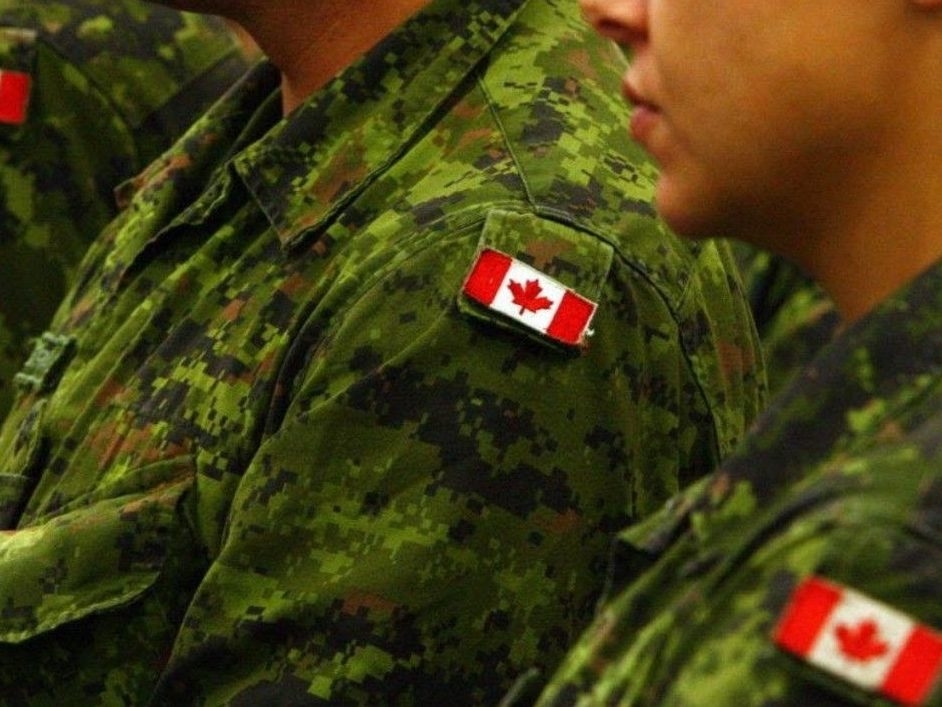
OTTAWA — For Canada’s new defence industry strategy to be a success, familiar bureaucratic roadblocks must be addressed.
Visit fishroad-app.com for more information.
That’s what defence expert and former defence policy director Joe Varner warns, one day after Prime Minister Mark Carney unveiled Canada’s first Defence Industrial Strategy — a landmark program that, while long overdue, won’t go anywhere unless Canada solves its long-standing problems with procurement.
“It’s key for Canada to get its act together on the procurement front, there’s no two ways about it,” Varner told the Toronto Sun. “We have to really look hard at how we procure things.”
Canada’s procurement system fraught with problems
In his Tuesday announcement, Carney acknowledged ongoing problems with government — and specifically military — procurement in Canada, saying that Canada’s defence procurement “has long been too complicated, too slow, and too reliant on international suppliers, limiting the growth of our defence industries.”
Varner pointed out that Canada’s quite capable of stepping outside existing procurement streams when it’s sufficiently motivated, specifically pointing to purchasing equipment and supplies destined for Ukraine.
“That same process does not seem to apply to the Canadian Forces,” said Varner, who served as policy director for former defence minister Peter MacKay and is a senior fellow with the Macdonald-Laurier Institute. “That begs a lot of questions in terms of political will.”
Canada’s military procurement has been rife with problems, scandals and cautionary tales — including the decades-long Sea King helicopter replacement debacle, billions of dollars spent on Canadian Surface Combatant warship contracts, and ongoing bureaucratic silos amongst government departments leading to cost overruns and little communication between decision-makers.
Developing a sound and meaningful defence industrial strategy, Varney said, is a long overdue but vital keystone to shoring up Canada’s sovereignty and national resilience.
“Tanks and aircraft, we tend to buy offshore historically,” he said.
“We did manufacture those types of equipment during the Second World War and after, but today if you’re buying fighter planes you’re buying either American or European fighter planes. If you’re buying helicopters, you’re buying American helicopters.”
Strategy key to rebuilding, rearming CAF
Varner pointed out that many defence contractors in Canada are just subsidiaries of American firms — but there are exceptions.
“It’s an ambitious document — $6.6 billion over five years in spending, a 240% increase in revenues for the defense industry, 125,000 jobs, 50% increase in exports. These are big numbers” he said, adding that despite Canada’s ambition, we can’t go it alone on the short-term.
“It’s great to have a defense industrial strategy, it’s key to rebuilding our defense industries, but we don’t have a lot of time to rearm and retooth the Canadian Forces, and we have to buy off-the-shelf proven equipment from the United States and our NATO and Asian partners.
“I don’t see any way around that.”