Does Your Choice Of Cup Affect How Coffee Tastes?
· Free Press Journal
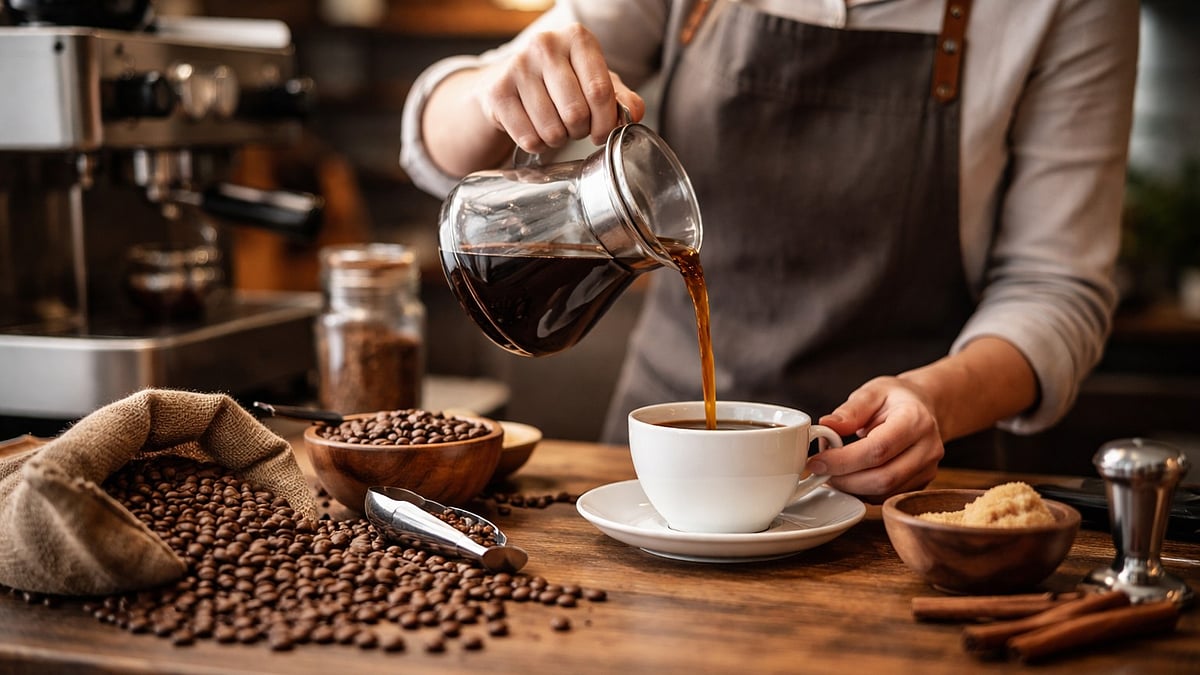
A hot cup of coffee can work many wonders: it keeps you energised for long stretches, reduces depression, fights against inflammation and aids weight loss, all while delivering a flavourful taste to your tongue. Even though the physical attributes of coffee remain undisturbed from cup to cup, its presentation may alter the drinker’s perception about its taste. The same coffee, when served in a heavier utensil at a cooler temperature may taste poles apart compared to a lighter cup at a steamier level, a lot of which has to do with the physics of presenting a perfect serve of the drink.
Visit biznow.biz for more information.
Here, we take a look at the physical aspects of presenting coffee that affect perceptions about its taste:
Material
With the advent of the takeaway culture in the world of coffee, serving materials have drastically shifted from original ceramic or natural cups to paper or plastic alternatives. Although the content inside the material remains the same, die-hard coffee aficionados can sense the difference in experience this change causes. Traditional ceramic cups were considered the best medium to consume coffee given their ability to retain heat well, add a smooth mouth-like texture while drinking and offer a neutral taste that helps keep the original flavour intact. Paper cups, on the other hand, often add a paper-like feel to the flavour and result in the coffee getting cold too quickly. Plastic cups end up absorbing flavours in the long run, glass medium has a lower retention ability and stainless steel mugs leech their finishes into the drink. Agreeing with this analysis, Divya Sethi, an ardent coffee lover shares her preference in this matter. “Yes, coffee does taste better in ceramic. Metal becomes too hot and the taste vanishes. Paper cups take away nearly half the taste. I believe that more than the taste itself, it is the sensory experience created by these materials that makes a difference.”
Colour
As silly as it may sound, the colour of our coffee-drinking vessel can change how we perceive its taste to be. Due to its lighter quality, a white cup can make coffee look darker and taste bitter while a dark-coloured cup would have the inverse effect. Blue or light-coloured mugs, in general, also enhance our perception of the sweetness of the drink.
Heat retention
For frequent coffee lovers, the temperature at which their favourite drink is served is perhaps one of the most significant attributes that helps them decide their likeness for the same. For this purpose, a cup made of material that retains heat better gives a much better taste profile than cups that cool quickly. Apart from just temperature, well-heat retained cups make the aroma and oils feel richer and reduce the bitterness associated with a comparatively cooler cup of coffee. To aid this feature, Divya suggests, “Anything with a lid keeps the coffee hot for longer such as a steel mug with a silicon lid. Keeping the coffee in a covered cup for too long makes it lose its aroma.” Hence, due to the volatile nature of coffee compounds, a lower temperature can make the flavour die out quicker.
Weight
Although it may seem insignificant, studies show that coffee served in heavier cups make the drinker feel like they are consuming a comparatively higher grade of coffee. Due to its inherent weight, the cup adds to the overarching experience of consuming coffee.
How Much Chai Is Too Much? Celebrity Nutritionist Rujuta Diwekar Shares Number Of Cups One Should Consume In A DayShape
Be it tall or short, narrow or wide, the shape of a cup influences taste perceptions through various nuanced factors. Since a wider base allows more aroma to flow directly into your nose, these cups give the drink an elevated flavour profile. Due to their collective shape, narrow cups make the drink feel more bitter or strong. “Since the shape of the cup alters the temperature, I don’t like short and wide cups since I prefer for my drink to be moderately hot. I would instead prefer to have hot coffee in short and wide cups and cold coffee in long and narrow glasses,” Divya reveals. The choice of the right cup shape depends on the flavour tones you’re looking out for as well as the specific temperature you wish to consume your coffee at.
Keep these factors in mind to enjoy your next cup of coffee to its ultimate.
Espresso/Macchiato: A demitasse cup’s narrow base and wide rim make it ideal to consume a regular espresso and Macchiato.
Cappuccino/Americano: Italian cappuccino cups are usually taller, narrow at the base and wide at the rim. Americanos can also be served in this cup.
Flat white: A small tulip-shaped cup allows the coffee to retain its smooth and creamy texture.
French: A bowl-shaped cup called ‘bol’ is usually held with both hands and sipped like drinking soup.
Latte: Typically wider than a cappuccino cup, the shape of this cup makes it easier to pour steamed milk over the espresso.
Cortado: Small tumblers are usually used to sip cortados the world over.
Irish coffee: These cups feature a small handle and glass design that make all layers of the drink visible.