Must-Have AI Tools For Corporate Travel Agencies
· Free Press Journal
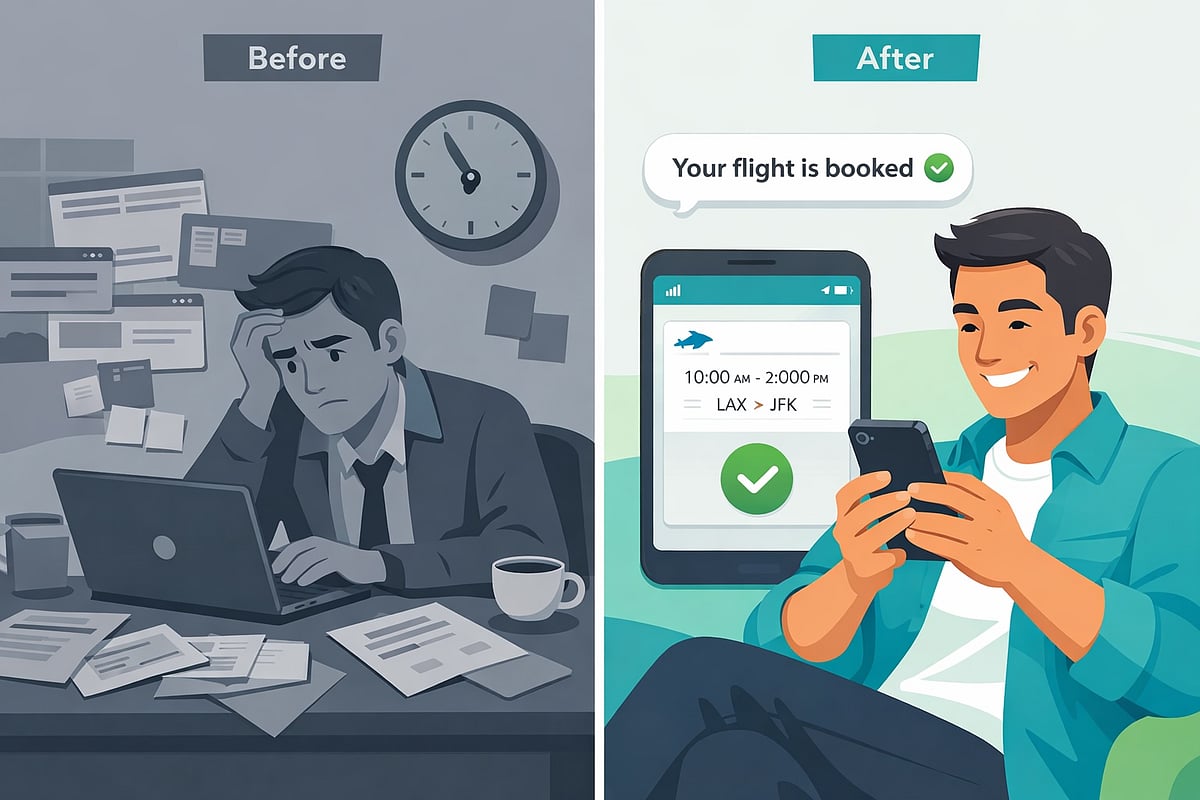
A few months ago, I planned a trip to Kerala using ChatGPT. It worked - sort of. I spent hours feeding it my budget, travel dates, food preferences, and sightseeing priorities. Every time I changed one detail, I had to re-explain the entire context. The output was decent. The process was exhausting.
Visit asg-reflektory.pl for more information.
That experience raised an obvious question: if a general-purpose chatbot gets this close, what could a purpose-built AI do for a corporate travel agency managing hundreds of bookings a month?
Quite a lot, it turns out. The AI in travel market is projected to grow from $131.7 billion (2023) to over $2,900 billion by 2033. Corporate travel sits at the centre of this shift. Below are 14 AI tools across five categories that every agency should be evaluating right now - with a quick-reference table up front, and details on each tool after.
1. Agentic Travel Assistants
These tools do not just suggest options - they act. An agentic assistant searches inventory, checks company policy, books the flight, and sends the confirmation, all from a single plain-English request. The result: policy-compliant bookings in under three minutes, down from 15–20 minutes manually.
a) Navan (Cognition Platform)
- Deploys specialised AI agents: a Travel Policy Agent matches every booking against company rules; an Expense Agent reads receipt images and auto-applies GL codes.
- All-in-one platform combining booking, expense management, and travel analytics.
- Best for: Mid-to-large agencies wanting a single platform that covers the full travel-expense lifecycle.
ChatGPT Features That Will Turn You Into An AI Prob) SAP Concur (Joule AI Copilot)
- Employees type natural language requests (“Book me a flight to Mumbai on Thursday morning”) and receive policy-compliant options instantly.
- Deep integration with SAP’s enterprise ecosystem - finance, HR, and procurement data flows directly into travel decisions.
- Best for: Enterprise agencies whose clients already run SAP infrastructure.
c) Perk
- AI assistant available on WhatsApp, Slack, and web chat - meets travellers where they already communicate.
- Learns individual preferences (preferred airlines, seat type, hotel chains) and auto-surfaces them in future searches.
- Best for: Mid-market agencies that want a lightweight, multi-channel booking assistant.
d) Serko (Agentic Travel Assistant)
- Building an entirely new agentic assistant for end-to-end corporate trip management.
- Expected launch: later in 2026.
- Best for: Agencies looking to pilot next-generation agentic tech early.
2. Dynamic Pricing and Revenue Intelligence
AI-powered pricing is no longer an airline-only luxury. These tools analyse historical booking data, seasonal demand, and competitor rates in real time - then recommend optimal pricing for packages and group bookings.
a) RateGain
- Pulls competitive pricing data from OTAs and direct channels to show exactly where your rates sit against the market.
- Covers hotels, flights, and packages across multiple geographies.
- Best for: Agencies managing negotiated corporate rates who need real-time market benchmarking.
b) Fetcherr
- Machine learning models tuned specifically for aviation fare prediction.
- Recommends when to lock in corporate rates based on predicted fare movements.
- Best for: Agencies with high flight-booking volume looking to optimise ticket costs for clients.
The ROI is concrete: hotels using AI-driven dynamic pricing report a 17% revenue increase and 10% higher occupancy. Travel brands using AI demand forecasting see 20–30% revenue improvement during peak seasons.
How India's Major Tour Companies Differ When It Comes To Europe Trips3. AI-Powered Customer Communication
When a flight is cancelled at 11 PM or a hotel booking falls through mid-conference, travellers need instant answers - not a “we’ll get back to you” email. These tools provide 24/7 support without adding headcount.
a) Zendesk (Travel Chatbots)
- Travel-specific chatbot configurations handle rebooking, flight status, and policy questions with no human intervention.
- Integrates with existing Zendesk helpdesk workflows so agents can step in when the bot hits its limit.
- Best for: Agencies already on Zendesk wanting to add an AI layer to existing support.
b) GPTBots.ai
- AI chatbot platform built for travel agencies with multi-channel deployment (web, app, messaging).
- Customisable conversation flows for booking changes, cancellations, and FAQs.
- Best for: Agencies wanting a plug-and-play chatbot without heavy development work.
91% Of Indian Firms Pilot AI, But Scaling Remains A Challengec) Maya
- Purpose-built for travel companies with full context awareness across conversations.
- The traveller never has to repeat booking details - Maya remembers the entire trip context.
- Best for: Agencies prioritising premium, personalised customer experience.
d) GuideGeek
- Operates natively on WhatsApp and Instagram Messenger - no app download required.
- Provides live travel info: weather updates, flight changes, local restrictions, destination tips.
- Best for: Agencies serving startups, younger corporate clients, or distributed remote teams.
4. Duty of Care and Risk Management
Employee safety is the category most agencies overlook in the AI conversation - and the one enterprise clients increasingly demand. These platforms provide real-time visibility into where every travelling employee is, and enable rapid response during emergencies.
a) Navan (Duty of Care Dashboard)
- Centralised live map showing all travelling employees based on their itineraries.
- Instant identification and direct communication with affected employees during natural disasters, political unrest, or health emergencies.
- Best for: Agencies serving large enterprises with global travel programmes.
b) ALTOUR
- Real-time risk alerts integrated into the corporate travel management workflow.
- Alternative travel arrangement capabilities built into the crisis response flow.
- Best for: Agencies whose enterprise clients require duty-of-care compliance as a contractual baseline.
'71% Of Indian Recruiters Say AI Helps Spot Skills They Earlier Missed': LinkedIn Report5. Itinerary Intelligence: From Static PDFs to Living Documents
This is the category closest to my Kerala experience. The future of corporate travel is not a static PDF emailed before departure. It is a dynamic document that updates based on the traveller’s location, schedule changes, weather, and preferences - in real time.
a) Mindtrip
- AI-first platform generating personalised itineraries that adapt as conditions change.
- Reroutes plans if rain is forecast, suggests closer restaurants if a meeting runs late, flags gate changes at the airport.
- Best for: Agencies wanting to offer a premium, high-touch travel experience through technology.
b) Layla
- Trusted by millions of travellers for real-time trip planning.
- Generates and updates itineraries based on dietary preferences, remaining schedule, and budget - without repeated prompting.
- Best for: Agencies looking for a consumer-grade AI planner they can white-label or recommend to clients.
Imagine this: a business traveller lands in a new city and immediately receives a curated evening plan - restaurants matching their dietary needs, a route optimised for their schedule, updated for current weather. No twenty prompts. No re-explaining context. That is where this technology is heading.
What Should Your Agency Do Next?
The competitive window is narrowing. Here are three steps to move on this now:
- Start with the problem, not the tool. If your bottleneck is booking turnaround time, evaluate agentic assistants first. If client retention is the issue, invest in itinerary intelligence and communication tools.
- Insist on integration. The best AI tool is useless if it cannot connect to your existing GDS, accounting system, and client portal. Ask every vendor about API access and existing integrations before signing.
- Pilot with one client segment. Pick your most tech-forward corporate client, run a 90-day pilot with one tool, measure the impact, then decide on a broader rollout.
The agencies that will thrive are not the ones adopting every AI tool on this list. They are the ones picking the right tools for their specific client base - and moving before their competitors do.